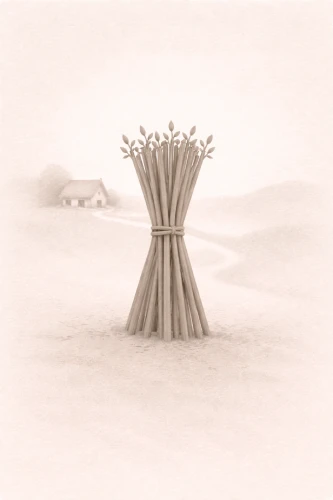
Ten of Wands Tarot Meaning
Introduction
The Ten of Wands is a Minor Arcana card linked with burden, responsibility, and overload. It belongs to the suit of Wands, which is connected to the element of Fire. Fire represents action, ambition, drive, and visible effort. Throughout the suit of Wands, energy begins as inspiration, grows through planning and expansion, faces conflict, achieves success, and is tested through persistence. With the number ten, the cycle reaches its peak.
In tarot, the number ten represents completion and the end of a cycle. It often shows the final outcome of earlier effort. In the suit of Wands, this outcome can feel heavy. The Ten of Wands reflects a stage where responsibilities have increased to the point of strain. The card often appears when success has brought added duties or when ambition has led to overcommitment.
This card is commonly associated with hard work, pressure, and carrying too much at once. It reflects a situation where effort is high but balance may be lacking.
The Ten of Wands Key meaning
The key meaning of the Ten of Wands is burden caused by excessive responsibility. It shows that commitments may have become overwhelming. The card reflects the weight of obligations.
Core themes include:
Heavy workload
Stress from responsibility
Completion through effort
Examples of how this meaning may appear:
Managing many tasks without support
Taking on too many roles at work
Feeling pressure after reaching a leadership position
The Ten of Wands often suggests that success has created added demands. It highlights the cost of sustained effort.
Upright meaning
When upright, the Ten of Wands represents overload and strain. It suggests that responsibilities have grown to an unsustainable level. The card often appears when someone is close to finishing a major task but feels exhausted.
Common upright themes include:
Overwork
Pressure from expectations
Carrying others’ responsibilities
Practical examples:
Completing a major project while managing daily tasks
Supporting a family while handling full-time work
Running a business with limited help
The upright Ten of Wands reflects determination, but also imbalance. It suggests that relief may come soon, as the number ten signals completion.
Reversed meaning
In reverse, the Ten of Wands may suggest releasing burdens or reducing pressure. It can indicate that responsibilities are being reassigned or that stress is decreasing.
Common reversed themes include:
Letting go of excess responsibility
Recovering from burnout
Learning to delegate
Examples of reversed situations:
Asking for help after long strain
Ending a demanding commitment
Simplifying work schedules
The reversed card can also indicate avoidance. In some cases, responsibilities may still exist but are being ignored.
Love meaning
In love readings, the Ten of Wands often reflects strain within relationships. It may suggest imbalance or one partner carrying more responsibility.
Possible meanings in romantic contexts:
Feeling overwhelmed by relationship demands
Taking on emotional labor alone
Strain caused by outside pressures
Examples in love situations:
Balancing family duties with partnership needs
One partner handling most responsibilities
Stress affecting communication
In established partnerships, the card may signal the need for shared effort. In new relationships, it can show that outside pressures affect connection.
Career and finances
In career readings, the Ten of Wands strongly represents heavy workload and stress. It may reflect high expectations or too many commitments.
Common themes include:
Overwork
Leadership burden
Professional burnout
Practical examples:
Managing several major deadlines at once
Taking on more tasks after promotion
Running multiple projects without support
Financially, the card may reflect pressure caused by obligations such as loans, bills, or shared expenses.
Advice
As advice, the Ten of Wands suggests reviewing responsibilities carefully. It encourages balance and realistic limits.
This advice may include:
Delegating tasks
Setting boundaries
Prioritising important commitments
Examples of advice-based meanings:
Reducing unnecessary obligations
Asking for support when workload is high
Completing one task before accepting another
The card supports finishing current duties while avoiding further overload.
Yes or No meaning
In yes or no readings, the Ten of Wands often leans toward “no” or “not now.” It suggests that pressure or responsibility may block progress.
This card may mean:
No, due to overload
Not yet, until responsibilities are managed
Success requires heavy effort
Examples include:
Delaying new commitments until workload decreases
Reconsidering additional obligations
Recognising limits before accepting opportunities
The answer often reflects strain rather than opportunity.
Symbolism
Traditional images of the Ten of Wands show a figure carrying a large bundle of ten staffs. The figure may appear bent forward, struggling under the weight.
Key symbols include:
Ten wands: accumulated responsibilities
Bent posture: physical and emotional strain
Forward movement: persistence despite burden
Symbolic meanings in practice:
The bundle represents heavy commitments
The posture reflects exhaustion
The direction of movement suggests nearing completion
The imagery reinforces themes of effort reaching its limit.
The Ten of Wands in a reading
When the Ten of Wands appears in a reading, it often signals that pressure is high. It may show that a cycle is ending but requires final effort.
In different spread positions:
In the past, it may show earlier overload
In the present, it reflects active stress
In the future, it predicts heavy responsibility
Examples of its role in readings:
Indicating burnout before completion
Highlighting imbalance in duties
Showing that relief will follow effort
The card often appears before a new cycle begins, suggesting that once burdens are released, fresh energy can return.
Frequently asked questions
Is the Ten of Wands a negative card?
It is challenging but not purely negative. It represents responsibility and effort rather than failure.
Does the Ten of Wands mean burnout?
It can suggest burnout, especially if responsibilities are excessive.
Is the Ten of Wands about endings?
Yes, it often represents the final stage of a demanding cycle.
Conclusion
The Ten of Wands represents burden, responsibility, and the weight of completion. As the tenth card in the suit of Wands, it marks the end of a cycle shaped by action and ambition. Its connection to Fire reflects sustained effort and visible pressure. In love, career, and general readings, it signals heavy commitments and possible strain. The card emphasizes the importance of balance, realistic limits, and recognising when a cycle is nearing completion.