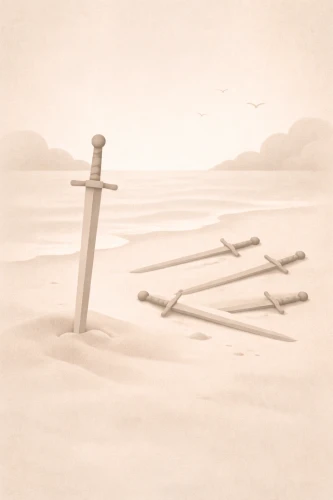
Five of Swords Tarot Meaning
Introduction
The Five of Swords is a Minor Arcana card in the suit of Swords. The suit of Swords is linked to the element of Air. Air represents thought, communication, logic, and conflict. Cards in this suit often focus on mental tension, arguments, truth, and decision-making.
The number five in tarot is commonly associated with conflict, disruption, and instability. After the structure of the Four, the Five introduces imbalance. In the suit of Swords, this imbalance often appears as disagreement, tension, or a clash of ideas.
The Five of Swords is widely interpreted as a card of conflict, tension, and hollow victory. It can represent situations where someone wins an argument but damages relationships in the process.
The Five of Swords Key meaning
The key meaning of the Five of Swords is conflict with consequences.
This card often reflects arguments, disputes, or power struggles. It can indicate winning at a cost, unresolved tension, or communication that leads to division.
Core themes include:
- Conflict
- Tension
- Power struggle
- Winning at a cost
- Miscommunication
Examples of this energy include:
- An argument where harsh words damage trust.
- A workplace dispute that leaves resentment.
- Competing strongly for advantage without considering long-term impact.
The Five of Swords highlights situations where victory may not bring satisfaction.
Upright meaning
When upright, the Five of Swords often points to open conflict or disagreement. It suggests that tension has become visible and cannot be ignored.
Common upright meanings include:
- Arguments or disputes.
- Aggressive communication.
- Self-interest over cooperation.
- Feeling defeated or excluded.
Practical examples may include:
- Winning a debate but losing a friendship.
- A workplace rivalry creating tension in a team.
- A disagreement that escalates because neither side wants to compromise.
This card may also reflect a sense of defeat. In some cases, it shows the experience of walking away feeling misunderstood or treated unfairly.
The upright Five of Swords asks whether the conflict is worth the cost.
Reversed meaning
When reversed, the Five of Swords may suggest resolution or a desire to move past conflict. It can also indicate lingering resentment that has not fully healed.
Possible meanings include:
- Apology or reconciliation.
- Choosing to avoid further arguments.
- Internal guilt about past actions.
- Quiet tension beneath the surface.
Examples include:
- Two colleagues agreeing to move forward after disagreement.
- Deciding not to respond to provocation.
- Reflecting on past behaviour with regret.
In some cases, the reversed card may show that conflict is still present but less visible. It may suggest avoidance rather than true resolution.
Love meaning
In love readings, the Five of Swords often represents conflict or imbalance within a relationship.
Upright, it may show:
- Arguments that create emotional distance.
- One partner seeking control.
- Feeling hurt after harsh words.
For example:
- A disagreement where one person refuses to compromise.
- Repeated debates that weaken trust.
- Feeling ignored or dismissed during conflict.
Reversed, it may suggest:
- Efforts to repair damage after a fight.
- Choosing peace over winning.
- Gradual healing from relationship tension.
In new relationships, this card may signal early power struggles. In established partnerships, it may highlight communication issues that need careful handling.
Career and finances
In career readings, the Five of Swords often reflects workplace conflict or competition.
Upright meanings include:
- Rivalry between colleagues.
- Disagreements over authority or credit.
- Winning a negotiation that damages trust.
Examples include:
- Competing for promotion in a tense environment.
- A project conflict between team members.
- A business deal that benefits one side more than the other.
Reversed, it may indicate:
- Resolving workplace disputes.
- Letting go of competition.
- Learning from past professional mistakes.
In financial matters, it can suggest risky decisions driven by ego rather than careful planning.
Advice
As advice, the Five of Swords encourages careful consideration before engaging in conflict.
It suggests:
- Choose battles wisely.
- Avoid unnecessary arguments.
- Consider long-term impact over short-term victory.
- Seek fair communication.
Practical examples include:
- Stepping away from a heated debate.
- Listening fully before responding.
- Avoiding competitive behaviour that harms teamwork.
The card highlights the importance of cooperation over dominance.
Yes or No meaning
The Five of Swords often suggests a “no” or a caution.
It may indicate:
- Conflict interfering with success.
- An outcome that brings dissatisfaction.
- Tension surrounding the situation.
For example:
- A business proposal may lead to disputes.
- A relationship question may involve unresolved tension.
- A plan may create more stress than benefit.
The card advises caution, especially if harmony is important.
Symbolism
In the Rider–Waite–Smith deck, the Five of Swords shows a figure holding three swords while two others walk away. Two swords lie on the ground. The sky appears cloudy and unsettled.
Key symbols include:
- The central figure: Possible victor or instigator.
- The two departing figures: Defeat or withdrawal.
- The scattered swords: Conflict and imbalance.
- The cloudy sky: Emotional tension.
The number five represents disruption and instability. In the suit of Swords, this disruption appears through argument and mental struggle.
The image suggests that even the winner may stand alone after conflict.
The Five of Swords in a reading
In a reading, the Five of Swords often signals tension or power struggle. It may appear when communication becomes sharp or competitive.
Its meaning can shift based on surrounding cards:
- With the Three of Swords, it may show conflict leading to heartbreak.
- With Temperance, it may suggest finding compromise.
- Near the Six of Swords, it can indicate moving on after dispute.
In daily life, it may represent:
- A disagreement within a family.
- Competitive work culture.
- Feeling excluded after argument.
The Five of Swords reflects the consequences of conflict and the need for reflection.
Frequently asked questions
Is the Five of Swords always negative?
It is often challenging, but it can highlight important lessons about communication and boundaries.
Does it mean betrayal?
It may indicate betrayal, especially if trust has been damaged during conflict.
Does the Five of Swords mean someone will win?
Not necessarily. The card often shows a situation where someone appears to win, but the outcome may create tension, isolation, or damaged relationships. It focuses more on the cost of conflict than on clear success.
Does it mean losing?
It can show either losing or winning at a cost. The focus is often on tension rather than clear success.
Can it show resolution?
When reversed or supported by positive cards, it may indicate reconciliation or willingness to compromise.
Conclusion
The Five of Swords represents conflict, tension, and power struggles. As part of the suit of Swords, it highlights the impact of communication and thought. The number five emphasises disruption and imbalance.
Upright, it often signals visible disagreement or hollow victory. Reversed, it may suggest reconciliation or reflection after conflict. In love, career, and daily life, it warns that winning is not always equal to success.
Overall, the Five of Swords symbolises the cost of conflict and the importance of thoughtful communication.