King of Swords Tarot Meaning
Introduction
The King of Swords is a Minor Arcana court card in the suit of Swords. The suit of Swords is connected to the element of Air. Air represents thought, logic, communication, truth, and intellectual clarity. Cards in this suit often explore reason, decision-making, and the use of words and ideas.
Kings in tarot symbolise authority, leadership, and mastery. They represent the most mature and developed expression of their suit. In the suit of Swords, the King reflects strong intellect, strategic thinking, and firm judgment. He values fairness, structure, and clear reasoning.
The King of Swords is commonly associated with wisdom, truth, and rational authority. He represents someone who makes decisions based on facts rather than emotion and who expects honesty from others.
The King of Swords Key meaning
The key meaning of the King of Swords is intellectual authority and clear judgment.
This card represents leadership through logic and experience. It often appears when objective thinking and structured decision-making are required.
Core themes include:
- Rational leadership
- Truth and integrity
- Strategic thinking
- Clear communication
- Authority based on knowledge
Examples of this energy include:
- Making a decision after reviewing all evidence.
- Leading a team with clear rules and expectations.
- Providing honest advice grounded in experience.
The King of Swords highlights wisdom guided by reason.
Upright meaning
When upright, the King of Swords reflects clarity, discipline, and strong mental control. He symbolises a person who approaches situations with fairness and logic.
Common upright meanings include:
- Objective decision-making.
- Strong leadership.
- Clear communication.
- Ethical standards.
Practical examples may include:
- A manager resolving conflict based on facts.
- A judge making a fair ruling after reviewing evidence.
- A business leader setting long-term strategy.
The upright King of Swords can represent someone experienced, analytical, and disciplined. This may be a professional such as a lawyer, teacher, consultant, or executive.
The card also suggests responsibility. Decisions made under this influence are thoughtful and carefully considered.
Reversed meaning
When reversed, the King of Swords may indicate misuse of authority, coldness, or rigid thinking. It can reflect manipulation or lack of empathy.
Possible meanings include:
- Harsh or overly strict leadership.
- Manipulative communication.
- Emotional detachment.
- Poor judgment based on bias.
Examples include:
- A manager who rules without listening.
- Someone twisting facts for personal gain.
- Refusing to consider alternative viewpoints.
In some cases, the reversed card may show insecurity hidden behind intellectual control. It can suggest imbalance between logic and compassion.
Love meaning
In love readings, the King of Swords often represents honesty and intellectual connection.
Upright, it may show:
- Clear communication in a relationship.
- Emotional maturity balanced with reason.
- Setting firm but fair boundaries.
For example:
- Discussing relationship expectations calmly.
- Addressing conflict with logical solutions.
- Choosing commitment after careful evaluation.
Reversed, it may suggest:
- Emotional distance.
- Cold or critical behaviour.
- Communication that feels harsh.
In new relationships, the card may indicate cautious evaluation before deep involvement. In long-term partnerships, it highlights the importance of fairness and honesty.
Career and finances
In career readings, the King of Swords often represents strong professional authority and strategic planning.
Upright meanings include:
- Leadership roles.
- Strategic business decisions.
- Legal or analytical work.
Examples include:
- Leading negotiations with confidence.
- Reviewing contracts carefully.
- Developing policies based on evidence.
Reversed, it may indicate:
- Workplace power struggles.
- Misuse of authority.
- Poor planning due to arrogance.
In financial matters, the card supports structured planning, disciplined budgeting, and careful evaluation of risks.
Advice
As advice, the King of Swords encourages logical thinking and clear communication.
It suggests:
- Evaluate facts before deciding.
- Maintain integrity in all dealings.
- Communicate honestly and directly.
- Take responsibility for leadership roles.
Practical examples include:
- Consulting reliable sources before making investments.
- Addressing workplace concerns calmly.
- Setting clear guidelines in business agreements.
The card advises balance between authority and fairness.
Yes or No meaning
The King of Swords often leans toward “yes” when decisions are based on logic and careful analysis.
It may indicate:
- Success through structured planning.
- Approval following thorough review.
- Positive outcomes supported by evidence.
For example:
- A proposal may be accepted if well prepared.
- A legal matter may be resolved fairly.
- A job application may succeed based on qualifications.
If reversed, the answer may be uncertain or suggest caution due to rigid thinking or poor communication.
Symbolism
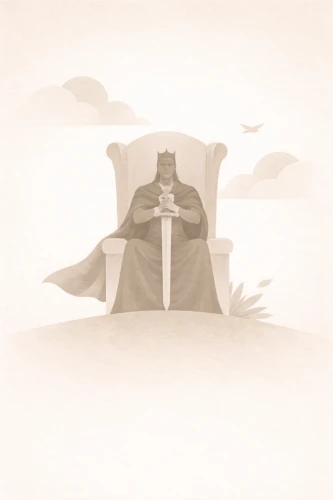
In the Rider–Waite–Smith deck, the King of Swords sits on a throne holding an upright sword. His posture is firm and steady. The sky behind him is clear, with light clouds.
Key symbols include:
- The upright sword: Truth and authority.
- The throne with butterflies and crescent moons: Transformation through knowledge and insight.
- The clear sky: Mental clarity.
- The firm posture: Control and confidence.
As a King, the figure represents mastery and leadership. Combined with the Air element, the card symbolises intellectual power and structured authority.
The imagery reflects discipline and clear judgment.
The King of Swords in a reading
In a reading, the King of Swords often signals the need for rational thinking. It may represent a person who values fairness and structure.
Its meaning may shift depending on surrounding cards:
- With the Ace of Swords, it may emphasise truth and decisive action.
- With Justice, it may highlight legal matters.
- Near the Five of Swords, it may warn against harsh authority.
In daily life, it may represent:
- Leading a project with clarity.
- Making an important legal decision.
- Evaluating complex information carefully.
The card reflects intellectual control and responsible leadership.
Frequently asked questions
Does the King of Swords represent a person?
It can represent someone intelligent, disciplined, and experienced in leadership or analytical roles.
Is it a positive card?
It is generally positive when fairness and logic are required.
Does it mean authority?
Yes. It often symbolises leadership and structured decision-making.
Can it show coldness?
When reversed, it may indicate emotional detachment or harsh behaviour.
Is it linked to legal matters?
It can appear in legal or formal situations where evidence and structure are important.
Conclusion
The King of Swords represents intellectual authority, rational leadership, and fair judgment. As the highest expression of the suit of Swords, it reflects mastery of thought and communication. The Air element emphasises clarity and truth.
Upright, it signals wisdom, discipline, and responsible leadership. Reversed, it may warn against rigidity or misuse of power. In love, career, and daily life, it highlights the importance of logic, structure, and ethical decision-making.
Overall, the King of Swords symbolises strength through reason and the power of clear, honest communication.