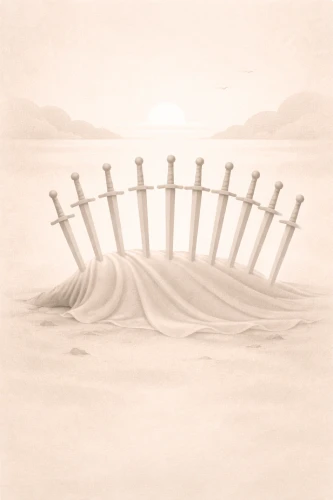
Ten of Swords Tarot Meaning
Introduction
The Ten of Swords is a Minor Arcana card in the suit of Swords. The suit of Swords is connected to the element of Air. Air represents thought, communication, truth, and mental activity. Cards in this suit often deal with conflict, stress, and clarity through difficult experiences.
The number ten in tarot usually represents completion or the end of a cycle. It marks a final stage before renewal or change. In the suit of Swords, this completion often appears as a painful ending or a moment of total mental overload.
The Ten of Swords is widely known as a card of endings, betrayal, and emotional pain. While its imagery can appear dramatic, it often symbolises the closing of a difficult chapter rather than permanent defeat.
The Ten of Swords Key meaning
The key meaning of the Ten of Swords is painful ending and finality.
This card often represents the conclusion of a situation that has caused stress or conflict. It may indicate betrayal, loss, or emotional exhaustion. However, it also suggests that the worst has already happened.
Core themes include:
- End of a cycle
- Betrayal
- Loss
- Mental overload
- Final release
Examples of this energy include:
- The end of a relationship after repeated conflict.
- Being dismissed from a job unexpectedly.
- Reaching a breaking point after prolonged stress.
The Ten of Swords highlights closure that follows difficulty.
Upright meaning
When upright, the Ten of Swords often signals a painful but necessary ending. It may indicate that a situation has reached its limit.
Common upright meanings include:
- Sudden ending or separation.
- Feeling betrayed or disappointed.
- Emotional exhaustion.
- Hitting a low point.
Practical examples may include:
- A long-term relationship ending after trust is broken.
- Losing a job after ongoing workplace tension.
- Realising that a plan cannot succeed despite effort.
Although the card shows difficulty, it also suggests that no further decline is possible. The situation has reached its final stage.
Reversed meaning
When reversed, the Ten of Swords may indicate recovery after hardship. It can show gradual healing or learning from past pain.
Possible meanings include:
- Rebuilding after loss.
- Letting go of resentment.
- Accepting closure.
- Recognising that the worst is over.
Examples include:
- Starting a new chapter after divorce.
- Finding employment after redundancy.
- Regaining strength after emotional burnout.
In some cases, the reversed card may also suggest resistance to accepting an ending. Closure may be delayed if lessons are not fully understood.
Love meaning
In love readings, the Ten of Swords often represents a painful ending or betrayal.
Upright, it may show:
- Breakup or separation.
- Feeling deeply hurt by a partner’s actions.
- Reaching emotional limits within a relationship.
For example:
- Discovering dishonesty that leads to separation.
- Ending a partnership after repeated arguments.
- Feeling emotionally drained by ongoing conflict.
Reversed, it may suggest:
- Healing after heartbreak.
- Choosing to move forward independently.
- Forgiving and learning from past mistakes.
In both new and established relationships, the card highlights final closure rather than temporary disagreement.
Career and finances
In career readings, the Ten of Swords often reflects professional endings or major setbacks.
Upright meanings include:
- Job loss.
- Failed project.
- Workplace betrayal.
Examples include:
- Being dismissed without warning.
- A business plan collapsing after investment.
- Realising a partnership cannot continue.
Reversed, it may indicate:
- Finding new employment after loss.
- Learning from financial mistakes.
- Rebuilding business plans with greater awareness.
In financial matters, the card can represent reaching a limit, such as debt pressure or investment failure. It often signals the need for a fresh start.
Advice
As advice, the Ten of Swords encourages acceptance of endings and focus on recovery.
It suggests:
- Recognise when a situation has ended.
- Avoid prolonging pain through denial.
- Reflect on lessons learned.
- Prepare for renewal after closure.
Practical examples include:
- Closing a business partnership that no longer works.
- Accepting the outcome of a failed plan.
- Seeking support after emotional strain.
The card highlights that endings, while difficult, create space for new beginnings.
Yes or No meaning
The Ten of Swords often suggests “no.”
It may indicate:
- Unfavourable outcome.
- Completion rather than continuation.
- Emotional or practical closure.
For example:
- A proposal may not succeed.
- A relationship may not continue.
- A project may come to an end.
If reversed, it may suggest gradual improvement, but the original situation may still be closing.
Symbolism
In the Rider–Waite–Smith deck, the Ten of Swords shows a figure lying face down with ten swords in the back. The sky appears dark, but a sunrise is visible on the horizon.
Key symbols include:
- The fallen figure: Final defeat or exhaustion.
- The ten swords: Complete mental or emotional overwhelm.
- The dark sky: Pain and loss.
- The rising sun: Renewal and new beginning.
The number ten represents completion. In the suit of Swords, it shows the final stage of mental conflict. The presence of sunrise suggests that endings are followed by change.
The imagery reinforces both finality and eventual renewal.
The Ten of Swords in a reading
In a reading, the Ten of Swords often appears when a situation has reached its conclusion. It may reflect deep disappointment or closure.
Its meaning may shift depending on surrounding cards:
- With the Three of Swords, it may show heartbreak leading to final separation.
- With Death, it can emphasise transformation after ending.
- Near the Ace of Cups, it may indicate emotional renewal after loss.
In daily life, it may represent:
- Accepting the end of a friendship.
- Closing a chapter after long stress.
- Reaching the limit of endurance.
The card signals completion rather than ongoing struggle.
Frequently asked questions
Is the Ten of Swords always negative?
It represents difficulty, but it also marks the end of hardship.
Does it mean betrayal?
It can indicate betrayal, especially in relationship or workplace contexts.
Is it permanent?
It symbolises closure of a cycle. While endings can feel final, they often lead to new beginnings.
Can it show recovery?
When reversed or supported by positive cards, it can indicate rebuilding and healing.
Does it mean failure?
It may reflect failure of a specific plan, but not overall defeat.
Conclusion
The Ten of Swords represents painful endings, betrayal, and completion of a difficult cycle. As part of the suit of Swords, it highlights mental and emotional strain. The number ten emphasises finality and closure.
Upright, it signals that a situation has reached its lowest point. Reversed, it may show recovery and renewal. In love, career, and daily life, it often appears when one chapter ends completely.
Overall, the Ten of Swords symbolises closure after hardship and the transition toward new beginnings beyond the pain.