Four of Cups Tarot Meaning
Introduction
The Four of Cups is a Minor Arcana card in the suit of Cups. The suit of Cups is linked to the element of water and represents emotions, relationships, intuition, and inner experience. The number four in tarot is connected to stability, structure, and foundations. When combined, these elements create a card that reflects emotional stability but also emotional pause or withdrawal.
The Four of Cups often appears when attention turns inward. It can signal contemplation, emotional dissatisfaction, or a lack of interest in available opportunities. While earlier Cups cards focus on connection and celebration, this card represents a quieter stage of emotional processing.
In tarot readings, the Four of Cups highlights reflection, emotional boundaries, and the need to reassess feelings.
The Four of Cups Key Meaning
The key meaning of the Four of Cups is contemplation and emotional withdrawal. It represents a pause in emotional engagement, often due to boredom, dissatisfaction, or deep reflection.
Core themes include:
- Emotional detachment
- Reflection and reassessment
- Missed opportunities
- Emotional stability that feels stagnant
As the fourth card in the suit of Cups, it reflects emotional structure. However, this structure may become rigid. Instead of flowing freely, emotions may feel contained or unexpressed.
Examples include:
- Turning down a social invitation due to lack of interest
- Ignoring a romantic offer because attention is elsewhere
- Feeling unmotivated despite stable circumstances
The Four of Cups emphasizes inner focus and evaluation of emotional needs.
Upright Meaning
When upright, the Four of Cups often signals withdrawal, introspection, or dissatisfaction. It suggests that attention is directed inward rather than toward external offers.
Common interpretations include:
- Emotional boredom
- Ignoring opportunities
- Reflecting on current feelings
Examples include:
- Declining a new job offer because it does not feel fulfilling
- Feeling disconnected in a stable relationship
- Turning inward to reassess personal goals
In daily life, this card may appear during a quiet phase when outward activity slows. It can represent a time of emotional processing or questioning whether current circumstances meet deeper needs.
The upright Four of Cups does not necessarily indicate crisis. Instead, it reflects pause and reflection. However, it may also suggest that valuable opportunities are being overlooked due to distraction or dissatisfaction.
Reversed Meaning
When reversed, the Four of Cups often signals renewed interest or emotional awakening. The withdrawal shown in the upright position may begin to shift.
Possible meanings include:
- Recognizing missed opportunities
- Re-engaging with social or emotional life
- Breaking out of emotional stagnation
Examples include:
- Accepting a proposal that was once ignored
- Renewing interest in a creative project
- Reconnecting with friends after isolation
In some cases, the reversed card can also indicate deeper withdrawal if emotional issues remain unresolved. Context within the reading determines whether the energy is improving or becoming more withdrawn.
Overall, the reversed Four of Cups often points to movement after a period of emotional pause.
Love Meaning
In love readings, the Four of Cups often represents emotional detachment or hesitation.
For singles, it can suggest:
- Ignoring a potential romantic interest
- Feeling uninterested in dating
- Holding onto past emotions
For those in relationships, it may indicate:
- Emotional distance between partners
- Taking a partner for granted
- Feeling dissatisfied despite stability
Examples include:
- Declining a date because it does not feel exciting
- One partner feeling emotionally withdrawn
- Reassessing the emotional direction of a relationship
When reversed, it may signal renewed appreciation or willingness to engage emotionally again.
Career and Finances
In career readings, the Four of Cups often reflects dissatisfaction or lack of motivation at work. It may suggest that opportunities are present but not recognized.
Common interpretations include:
- Feeling bored in a stable job
- Ignoring a new professional offer
- Questioning long-term goals
Examples include:
- Turning down a promotion due to uncertainty
- Feeling uninspired despite financial stability
- Overlooking a business opportunity
Financially, this card may represent stability without enthusiasm. There may be no crisis, but there is little excitement.
When reversed, it can indicate renewed focus on professional growth or reconsideration of opportunities that were previously dismissed.
Advice
As advice, the Four of Cups suggests reflection and honest evaluation of emotional needs. It highlights the importance of awareness regarding missed opportunities.
Practical guidance may include:
- Taking time to assess feelings before making decisions
- Reviewing offers carefully rather than dismissing them
- Recognizing signs of emotional fatigue
Examples include:
- Reconsidering a job opportunity with fresh perspective
- Reflecting on relationship expectations
- Pausing before rejecting a new idea
The card emphasizes thoughtful evaluation rather than impulsive action.
Yes or No Meaning
In yes or no readings, the Four of Cups often leans toward “no” or “not now.” It suggests hesitation or lack of interest.
Examples include:
- Asking whether to accept a current offer: likely no
- Asking whether a relationship will progress quickly: not immediately
- Asking whether enthusiasm is present: possibly lacking
If reversed, the answer may shift toward reconsideration or delayed acceptance.
The overall tone reflects pause rather than decisive action.
Symbolism
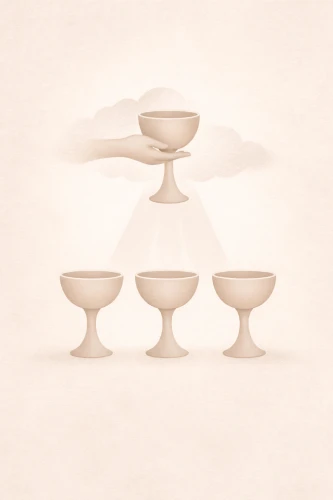
In traditional imagery, such as the Rider–Waite–Smith deck, the Four of Cups shows a figure sitting beneath a tree with three cups in front of them. A fourth cup is offered from a cloud, yet the figure appears uninterested.
Key symbols include:
- The seated figure: introspection and withdrawal
- Three cups on the ground: existing emotional experiences
- The offered cup: a new opportunity
- The cloud: unexpected or unseen potential
The number four represents structure and stability. In the suit of Cups, this stability can become emotional stagnation. The imagery highlights a contrast between available opportunity and lack of engagement.
The symbolism reflects contemplation and the risk of overlooking emotional gifts.
The Four of Cups in a Reading
In a reading, the Four of Cups often indicates a pause or period of reflection.
In different positions, it may suggest:
- Past position: a missed opportunity that influenced events
- Present position: current emotional detachment
- Future position: a need to reassess feelings before moving forward
Examples include:
- A relationship spread showing emotional hesitation
- A career spread highlighting dissatisfaction despite security
- A personal growth reading emphasizing reflection
When paired with other Cups cards, emotional themes are reinforced. With Pentacles, it may suggest stable but unfulfilling work. With Wands, it may highlight lack of motivation.
Frequently Asked Questions
What element is the Four of Cups associated with?
It is associated with water, representing emotion and intuition.
Is the Four of Cups a negative card?
It is not inherently negative. It reflects pause and reflection but may indicate missed opportunities.
Does it always mean rejection?
Not always. It can represent careful evaluation rather than outright refusal.
What does it mean in love?
It often signals emotional withdrawal or hesitation within romantic matters.
What does the reversed Four of Cups suggest?
It may indicate renewed interest, emotional awakening, or reconsideration of an offer.
Conclusion
The Four of Cups represents contemplation, emotional pause, and reassessment. As the fourth card in the suit of Cups, it reflects emotional stability that may become stagnant or withdrawn.
In love, career, and personal matters, it highlights the importance of recognizing emotional needs and remaining aware of opportunities. Its symbolism emphasizes reflection and the balance between inner focus and outward engagement.
In tarot, the Four of Cups stands as a reminder that emotional clarity often develops during quiet periods of thought and evaluation.
Explore the Cups
All cards in the suit of Cups
Explore Cups Tarot Combinations →